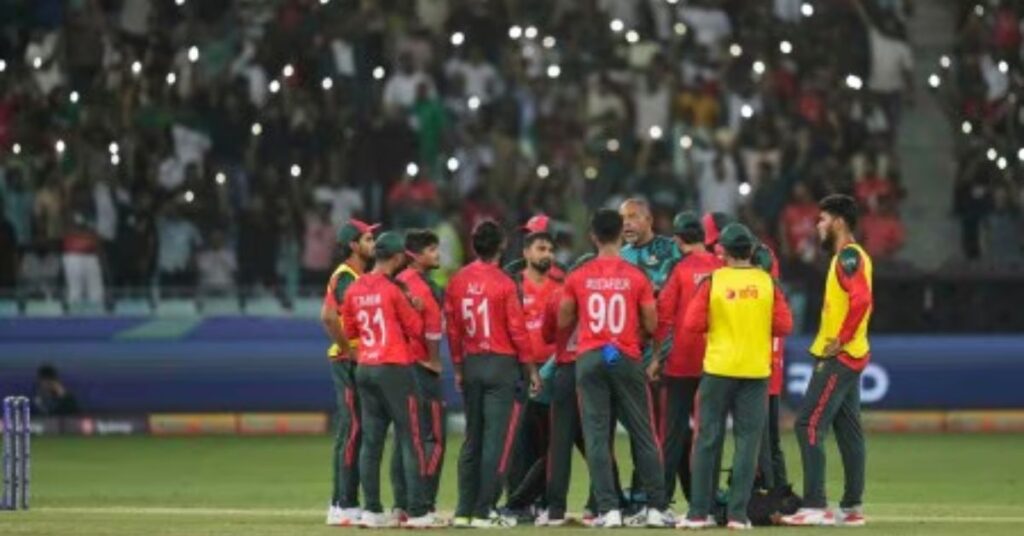

The ICC T20 World Cup has been plunged into unprecedented turmoil following reports that Bangladesh have been thrown out of the tournament, while Pakistan’s participation now hinges on a final call by the Prime Minister of Pakistan. What was supposed to be a celebration of global cricket has suddenly turned into a high-stakes geopolitical and administrative crisis that could reshape the tournament’s structure, credibility, and global appeal.
This dramatic development has sent shockwaves across the cricketing world, raising serious questions about ICC governance, political interference in sport, the future of Associate and Full Member participation, and the stability of international tournaments.
In this blog, we break down what has happened, why Bangladesh were reportedly removed, why Pakistan’s Prime Minister is involved, the ICC’s position, possible scenarios, and what this means for the future of the T20 World Cup.
What Is the Current ICC T20 World Cup Controversy?
The latest controversy revolves around two major developments:
- Bangladesh reportedly being thrown out of the ICC T20 World Cup
- Pakistan delaying confirmation, with the final decision reportedly resting with the Prime Minister
Together, these developments have created a situation where:
- The tournament structure is under threat
- Political authority is influencing cricket decisions
- The ICC’s autonomy is being questioned
This is one of the most serious crises faced by the ICC in the modern era.
Why Was Bangladesh Thrown Out of the T20 World Cup?
According to reports circulating in cricketing and diplomatic circles, Bangladesh’s removal stems from administrative, political, and logistical complications tied to tournament participation.
Key Reasons Being Cited
- Disagreements over hosting or travel arrangements
- Failure to meet ICC participation conditions
- Political or diplomatic complications
- Breakdown in coordination between ICC and BCB
While the ICC has not released a detailed public explanation yet, sources suggest the decision was taken after prolonged deadlock and last-minute uncertainty.
Why This Is a Shocking Move
Bangladesh are:
- A Full Member of the ICC
- Regular participants in ICC global events
- A major cricketing nation in South Asia
Removing Bangladesh from a World Cup is almost unheard of in modern cricket. Such a step raises concerns about:
- Precedent for future exclusions
- Fair treatment of Full Members
- Transparency in ICC decision-making
Bangladesh Cricket Board’s Silence Raises Questions
So far, the Bangladesh Cricket Board (BCB) has largely remained silent or issued only guarded responses.
This silence has:
- Fueled speculation
- Increased uncertainty among fans
- Intensified criticism of ICC communication
BCB’s restrained reaction suggests that negotiations may still be ongoing behind closed doors.
Pakistan PM to Decide: Why Is Government Involved?
Perhaps the most striking aspect of the controversy is that Pakistan’s participation now reportedly depends on a decision by the Prime Minister.
Why the PM’s Approval Matters
- International travel and security concerns
- Diplomatic implications of participation
- Broader geopolitical context
- Government oversight of foreign engagements
In Pakistan, cricket decisions of this magnitude often require government clearance, especially when international relations are involved.
Pakistan Cricket Board Caught in the Middle
The Pakistan Cricket Board (PCB) finds itself in an extremely difficult position.
On one hand:
- Players want to participate
- Fans expect Pakistan to play
- Commercial commitments exist
On the other:
- Political approval is mandatory
- Diplomatic sensitivities are high
- Security and protocol issues remain unresolved
The PCB cannot act independently without government consent.
What Happens If Pakistan Pulls Out Too?
If Pakistan also withdraws, the ICC T20 World Cup would face a catastrophic blow.
Potential Consequences
- Loss of marquee India–Pakistan clash
- Massive drop in global viewership
- Sponsorship and broadcast complications
- Tournament credibility questioned
An ICC event without Pakistan — and already without Bangladesh — would significantly weaken its South Asian presence.
ICC’s Biggest Nightmare: A Fragmented World Cup
The ICC designs World Cups around:
- Full Member participation
- Competitive balance
- Commercial viability
Excluding Bangladesh and risking Pakistan’s withdrawal creates:
- Unbalanced groups
- Forced schedule reshuffles
- Reduced narrative intensity
The ICC’s biggest fear is a World Cup that feels incomplete.
Commercial Impact: Why This Matters Financially
Cricket is not just sport — it is big business.
Financial Risks for ICC
- Reduced TV ratings
- Sponsor dissatisfaction
- Advertising revenue losses
- Legal disputes with broadcasters
South Asian teams, especially Pakistan and Bangladesh, bring millions of viewers. Losing them hits the ICC where it hurts most — revenue.
Impact on Players: Innocent Victims of Politics
The biggest losers in this crisis could be the players.
For Bangladesh Players
- Missed World Cup exposure
- Loss of career-defining opportunities
- Financial setbacks
For Pakistan Players
- Uncertainty affecting preparation
- Mental distraction
- Risk of missing peak career moments
Players train for years for World Cups — politics can undo that in days.
Fans React With Anger and Confusion
Cricket fans across the world have reacted strongly.
- Bangladeshi fans feel betrayed and sidelined
- Pakistani fans are divided between nationalism and cricketing desire
- Neutral fans worry about cricket’s future
Social media is flooded with criticism of the ICC’s handling of the situation.
Is This a Failure of ICC Governance?
Many experts believe this crisis exposes systemic weaknesses in ICC governance.
Key Criticisms
- Lack of transparency
- Over-reliance on political compromise
- Inconsistent treatment of member boards
- Poor crisis communication
The ICC is meant to be an independent governing body — but situations like this challenge that image.
Associate Nations Caught in the Crossfire
If Bangladesh are removed, replacements may come from Associate nations.
While this aligns with ICC’s goal of globalisation, critics argue:
- Replacements at short notice disrupt balance
- Competitive gaps widen
- Tournament quality suffers
This debate echoes earlier controversies around Associate vs Full Member participation.
Can the ICC Reverse the Decision on Bangladesh?
Technically, yes.
The ICC could:
- Re-admit Bangladesh under revised conditions
- Offer neutral solutions
- Delay matches or restructure groups
However, doing so would require:
- Political alignment
- Administrative compromise
- Swift decision-making
Time is running out.
Why the Pakistan PM’s Decision Is Crucial
Pakistan’s Prime Minister holds the key because:
- A green signal stabilises the tournament
- A withdrawal escalates the crisis
- It influences other boards’ confidence
The decision will be watched closely by:
- The ICC
- Broadcasters
- Governments
- Fans worldwide
India’s Position: Silence but Stability
India and the BCCI have so far maintained strategic silence.
From India’s perspective:
- The tournament will go on regardless
- Domestic viewership remains strong
- ICC responsibility lies elsewhere
This silence is often interpreted as confidence rather than indifference.
Historical Context: When Politics Disrupted Cricket
Cricket has seen similar crises before:
- Boycotts in the apartheid era
- Neutral venue disputes
- Security-based withdrawals
However, removing a Full Member like Bangladesh and involving a PM directly is rare in the modern era.
What This Means for the Future of ICC Events
This controversy could trigger:
- Reforms in participation rules
- Clearer political-sport separation guidelines
- Stronger dispute-resolution mechanisms
If mishandled, it could also:
- Erode trust in ICC
- Encourage future boycotts
- Fragment international cricket further
Possible Scenarios Going Forward
Scenario 1: Bangladesh Reinstated, Pakistan Participates
- Crisis defused
- ICC credibility restored
- Tournament proceeds normally
Scenario 2: Bangladesh Out, Pakistan In
- Tournament weakened but survives
- Major criticism continues
Scenario 3: Bangladesh Out, Pakistan Out
- ICC faces historic embarrassment
- Commercial and reputational damage
The ICC will do everything possible to avoid Scenario 3.
Why This Is Bigger Than One Tournament
This crisis is not just about one T20 World Cup.
It is about:
- Who controls cricket
- How much power governments wield
- Whether ICC can act independently
The outcome will shape global cricket governance for years.
Voices Calling for Calm and Dialogue
Former cricketers and administrators have urged:
- Dialogue instead of escalation
- Player interests to be prioritised
- Politics to stay out of sport
Whether these calls are heeded remains to be seen.
Cricket at a Crossroads
The ICC T20 World Cup is now at a crossroads where:
- Administration meets diplomacy
- Sport meets politics
- Fans meet frustration
How this crisis is resolved will define the ICC’s leadership credibility.
Final Thoughts: A Defining Moment for Global Cricket
The reports of Bangladesh being thrown out of the ICC T20 World Cup and the Pakistan Prime Minister being asked to decide on team participation represent one of the most volatile moments in modern cricket history.
This is a test of:
- ICC’s authority
- Cricket’s independence
- The sport’s ability to rise above politics
If mishandled, the damage could be long-lasting. If resolved wisely, it could strengthen cricket’s governance framework.
For now, the cricketing world waits — anxiously — for clarity, leadership, and common sense to prevail.